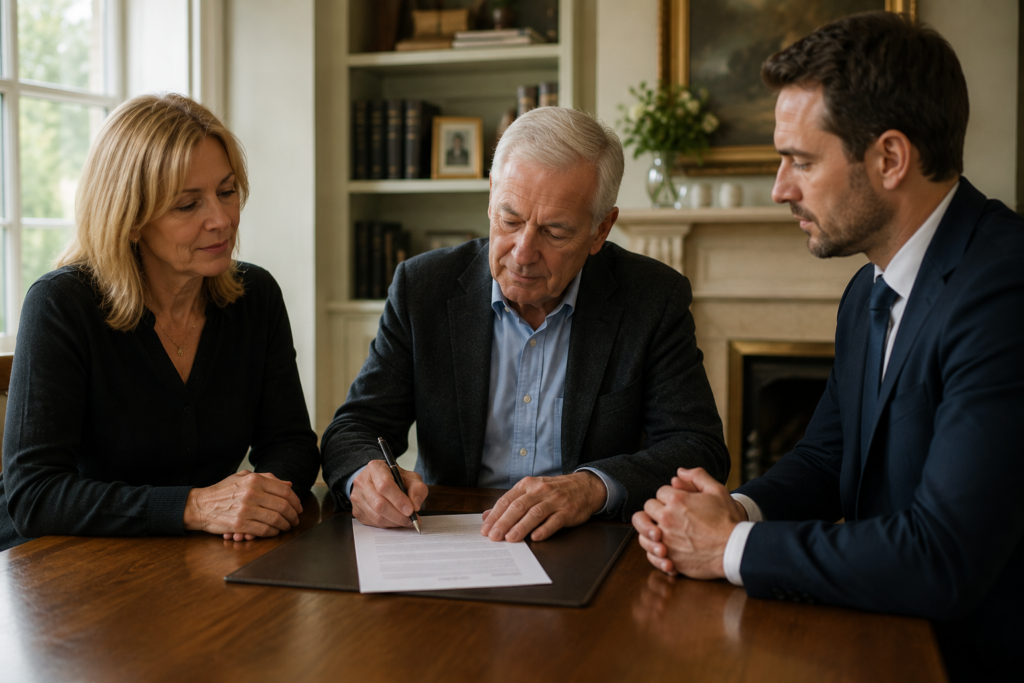
The Role of Witnesses in Signing a Will
Creating a valid will is one of the most important steps a person can take to protect their loved ones and ensure their wishes are respected after death. However, even if a will clearly sets out how an estate should be distributed, it may not be legally valid if it has not been signed correctly. One of the most important legal requirements is the presence of witnesses. Understanding the role of witnesses can help avoid unnecessary disputes and delays during probate.
Why Are Witnesses Required?
Witnesses help confirm that the person making the will, known as the testator, signed the document voluntarily and had the mental capacity to do so. Their presence provides evidence that the will was executed correctly and reduces the risk of fraud or undue influence.
Without proper witnessing, a will may be declared invalid, meaning the estate could be distributed under the rules of intestacy rather than according to the deceased’s wishes.
Who Can Witness a Will?
In England and Wales, a will must generally be signed in the presence of two independent witnesses, who must also sign the will in the presence of the testator.
A suitable witness should:
- Be at least 18 years old.
- Have the mental capacity to understand they are witnessing a legal document.
- Be independent and impartial.
- Not be a beneficiary of the will.
- Not be married to or in a civil partnership with a beneficiary.
Choosing independent witnesses helps prevent future legal challenges.
What Happens If a Beneficiary Acts as a Witness?
A beneficiary should not witness a will. While the will itself may still be valid, any gift left to that beneficiary could become invalid. The same rule generally applies to the beneficiary’s spouse or civil partner.
To avoid complications, it is always best to choose witnesses who have no personal interest in the estate.
How Should the Will Be Signed?
The correct signing procedure is essential. The testator should sign the will first, or acknowledge an existing signature, in the presence of both witnesses at the same time. The witnesses must then sign the will while the testator is present.
Following the proper procedure helps ensure the will meets all legal requirements.
Common Mistakes to Avoid
Errors during the signing process can lead to disputes or invalidate the will altogether. Common mistakes include:
- Using only one witness.
- Having beneficiaries act as witnesses.
- Witnesses signing separately without the testator present.
- Making handwritten changes after the will has been signed without following the correct legal process.
Professional legal guidance can help prevent these issues.
Why Legal Advice Is Valuable
Although it is possible to prepare a will without a solicitor, professional advice helps ensure the document is legally valid, clearly drafted, and properly executed. A solicitor can also advise on complex family situations, inheritance tax planning, and other estate planning matters.
Final Thoughts
Witnesses play a vital role in ensuring a will is legally valid and accurately reflects the testator’s wishes. Choosing suitable witnesses and following the correct signing procedure can prevent future disputes and provide peace of mind for both the person making the will and their loved ones. Taking care during this final step helps ensure your wishes are carried out exactly as intended.
The Role of Witnesses in Signing a Will Read More »